The Most Valuable Words an Appraiser Can Say: "I don't Know"
The Most Valuable Words an Appraiser Can Say: “I Don't Know”
Why recognising what you don't know can be one of the greatest strengths of a professional jewellery appraiser.
There are three little words that many professionals find difficult to say: “I don't know.”
For jewellery appraisers, those words can feel particularly uncomfortable. After all, clients come to us because we're supposed to be the experts. They expect us to identify their jewellery, explain its characteristics and provide a well-supported opinion of value.
But here's something I've learned over my many years in the jewellery industry: being a knowledgeable professional doesn't mean having every answer. It means knowing how to find the right ones.
And sometimes, the most professional thing we can do is admit that we don't know.
The Pressure to Have All the Answers
Think back to when you first entered the appraisal profession.
You'd spent years studying gemmology, learning identification techniques, understanding grading systems and developing your knowledge of jewellery.
You had the qualifications. You had the instruments. You were ready.
Then a client walked through the door with something you'd never encountered before.
Perhaps it was an unusual gemstone, an unfamiliar hallmark, an antique piece with questionable origins or a treatment that wasn't immediately obvious.
Suddenly, all that confidence could disappear.
I suspect most experienced appraisers have had moments like this. I certainly have.
The temptation can be to provide an immediate answer, particularly when a client is standing in front of you waiting expectantly.
But that's precisely when professional judgement becomes more important than appearing knowledgeable.
Confidence Doesn't Mean Knowing Everything
One of the biggest misconceptions about professional expertise is that experience eventually eliminates uncertainty.
It doesn't.
In fact, the longer we work in this industry, the more we realise just how much there is to learn.
New treatments emerge. Manufacturing techniques evolve. Markets change. Previously unfamiliar materials become more common.
Even jewellery that appears straightforward can present unexpected challenges.
A gemstone may require additional testing. A piece of antique jewellery might need specialist research. An unusual construction technique could raise questions that aren't immediately answered by a quick examination.
Recognising these situations isn't a weakness.
It's evidence of experience and good professional judgement.
There's an enormous difference between saying, “I don't know,” and saying, “I don't know yet, but I know what needs to happen next.”
That distinction matters.

When “I Don't Know” Builds Trust
Imagine two different conversations with a client.
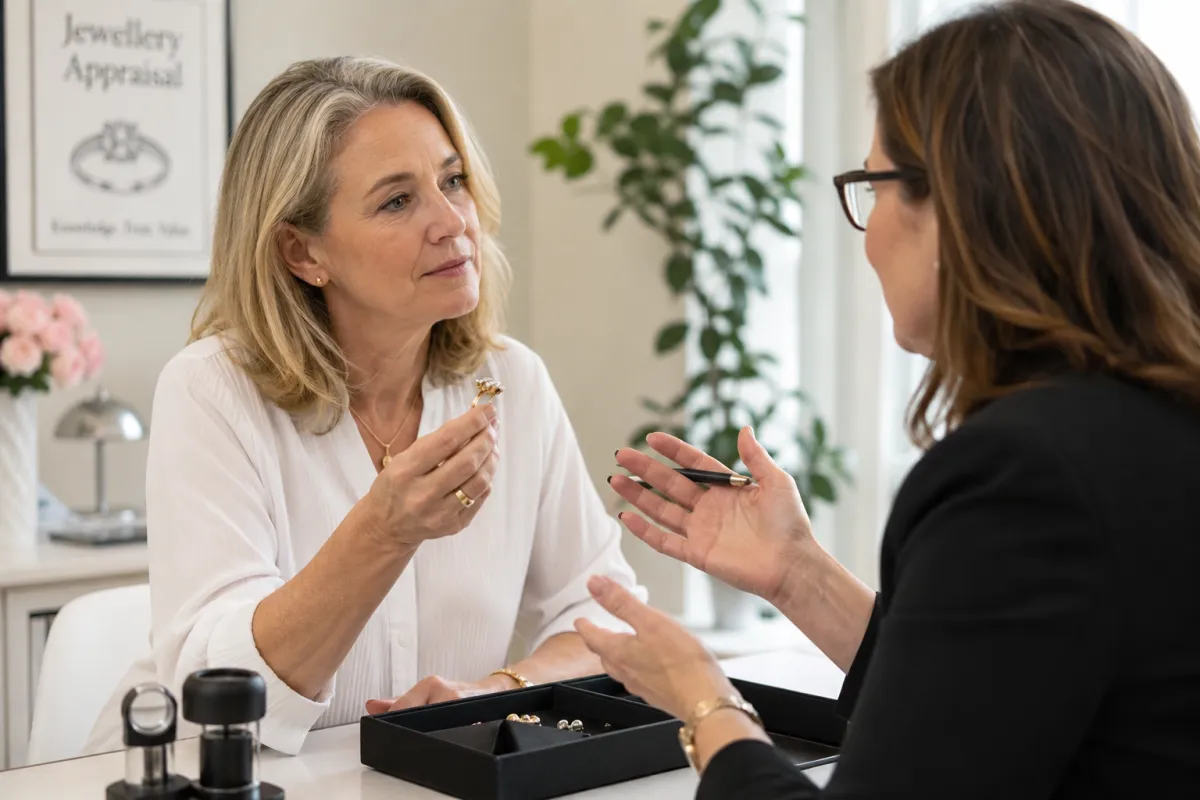
In the first, an appraiser is presented with an unfamiliar gemstone. Rather than admitting uncertainty, they confidently offer an identification based on appearance alone.
In the second, the appraiser explains:
“This is an interesting stone. I have some initial thoughts, but I'd like to carry out additional testing before giving you a definite identification.”
Which professional would you trust?
Most clients aren't expecting us to be walking encyclopaedias. They're expecting us to be careful, honest and competent.
Explaining that further examination or specialist assistance is needed demonstrates that we take their jewellery, and our professional responsibilities, seriously.
Of course, there is an important balance here. We shouldn't create unnecessary uncertainty or make every assignment more complicated than it needs to be.
But when uncertainty is genuine and material to the assignment, it deserves to be acknowledged.
Knowing When to Refer Is a Professional Skill
One of the lessons I emphasise when coaching appraisers is the importance of understanding the limits of your own expertise.
Not every assignment is going to be within your area of competency.
You might be comfortable appraising contemporary diamond jewellery but less familiar with certain antique periods, rare gemstones, watches or specialised cultural jewellery.
And that's perfectly reasonable.
The important thing is recognising when additional expertise is required.
Sometimes that means consulting a colleague, arranging specialised testing, conducting further research or referring the assignment to someone with more appropriate experience.
Building relationships with other professionals isn't simply good networking. It's part of building a responsible appraisal practice.
A strong professional network allows us to provide better service, even when we aren't personally equipped to answer every question.
Curiosity Is One of Our Greatest Tools
Over the years, I've come to believe that curiosity is just as important as confidence.
The appraisers who continue to develop professionally are often the ones who ask questions, challenge assumptions and remain open to learning.
They're willing to revisit something they thought they understood.
They're interested in why a gemstone behaves differently than expected.
They investigate rather than assume.
And perhaps most importantly, they recognise that completing a gemmological qualification isn't the end of their education.
It's the beginning.
That curiosity keeps our work interesting, but it also helps protect the quality and credibility of the opinions we provide.
A Lesson for New and Experienced Appraisers
For those just beginning their appraisal careers, I want to offer a little encouragement.
You don't have to know everything on your first day, in your first year or even after decades in the profession.
What you do need is a commitment to sound research, continuing education, ethical practice and knowing when to seek assistance.
For established appraisers, it's equally important not to allow years of experience to turn into complacency.
The jewellery industry continues to change, and our knowledge must continue to grow with it.
Sometimes the greatest professional confidence comes from being comfortable enough to acknowledge uncertainty.
The Words That Really Matter
Perhaps the most valuable phrase an appraiser can learn isn't simply “I don't know.”
It's:
“I don't know, but I know how to find out.”
And when the answer cannot be established with sufficient confidence, it's equally important to explain that limitation clearly.
Our clients don't need us to pretend to have all the answers.
They need us to provide thoughtful, independent and well-supported professional opinions.
They need honesty, sound judgement and the confidence that we will approach their jewellery with the care it deserves.
After all, our reputation isn't built on how quickly we answer every question.
It's built on how responsibly we answer them.
Karen Howard, FCGmA, RMV is a jewellery appraiser coach, gemmologist, educator and author of From Start to Success: The Business of Jewellery Appraising. Through Jewellery Appraisers Coach, she helps new and developing appraisers build confidence, strengthen their professional practices and navigate the business side of jewellery appraising.
Learn more:www.jewelleryappraiserscoach.com
