When Lab-Grown Diamonds Walk Into Your Office: The Appraiser’s New Reality
When Lab-Grown Diamonds Walk Into Your Office: The Appraiser’s New Reality

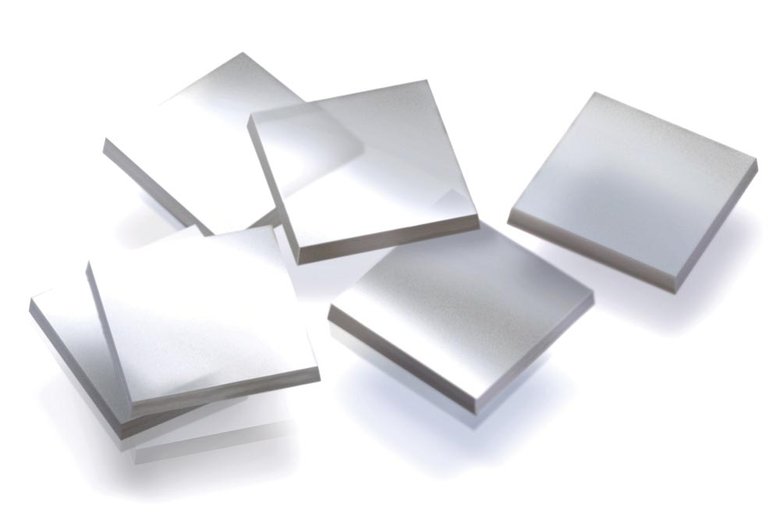
Natural diamond. Lab grown "rough"
Let’s talk about the conversation many appraisers are quietly having behind closed doors. Lab-grown diamonds are no longer “emerging.” They are established. They are mainstream. They are sitting in engagement rings, anniversary pendants, and estate collections, and they are walking into your appraisal office whether you feel fully ready or not.
In my upcoming book, From Start to Success: The Business of Jewellery Appraising: A Guide to Building and Growing Your Practice, I address this directly because this isn’t just a gemmological issue. It’s a confidence issue. It’s a pricing issue. It’s a communication issue. And if we are honest, it is a positioning issue.
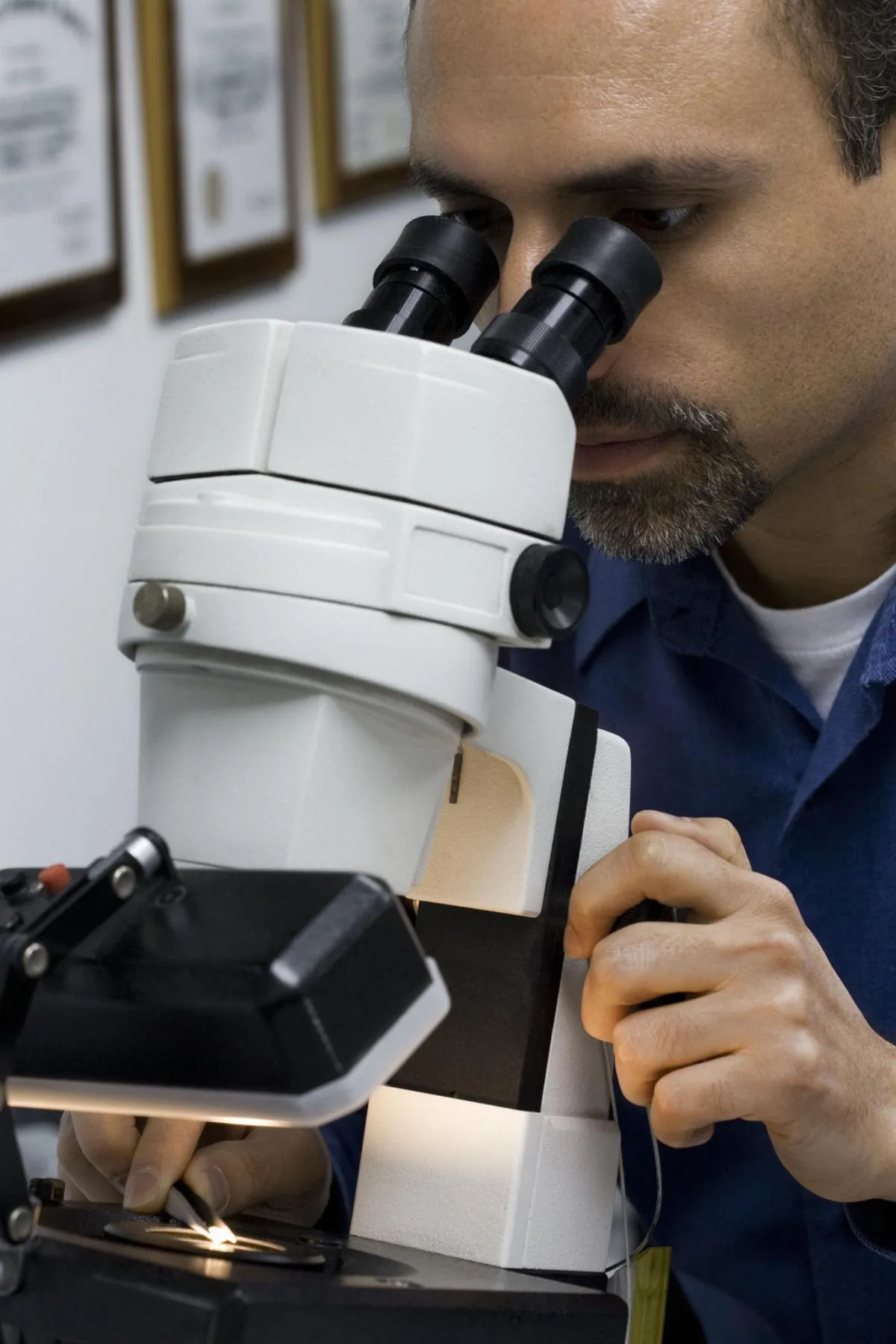
For years, many appraisers operated comfortably within natural diamond grading standards shaped by institutions such as the Gemological Institute of America. Today, identification is no longer optional. If you cannot confidently separate natural from lab-grown diamonds, or if you rely solely on paperwork, you are exposed. CVD and HPHT growth methods have become increasingly sophisticated, and proper screening equipment, updated knowledge, and the professional maturity to say “further testing is required” are now part of baseline competence. The risk is not just technical embarrassment; it is professional liability. This is where many newer appraisers feel the confidence gap. They know the theory. They have taken courses. But when the stone is in front of them and the client is watching, theory feels very different from responsibility.
The valuation conversation has also changed, and this is where many professionals become uncomfortable. Lab-grown diamond prices have experienced significant downward pressure as production scales and competition increases. When a client presents a lab-grown diamond purchased three years ago at a premium and expects a high replacement value, you become the bearer of market reality. This is not simply about adjusting numbers. It is about managing expectations, explaining market shifts, and documenting methodology clearly. Some clients will have grading reports from laboratories such as the International Gemological Institute or terminology influenced by the American Gem Society. They may arrive confident and well-read, but that does not mean they understand how replacement value is determined or how rapidly synthetic production affects pricing models.
Your role today includes translation. You must be able to explain why replacement value differs from resale value, why supply dynamics for lab-grown material differ from natural diamonds, and why report wording must be precise. Vague or defensive language undermines authority. Clear, consistent communication builds it. And authority, when paired with transparency, builds referrals.
Here is the confrontational truth: some appraisers are inflating lab-grown values to avoid difficult conversations. Some are using outdated comparables. Some are quietly hoping lab-grown stones will not appear in their practice. That approach is not sustainable. Insurance companies are becoming more informed. Clients have access to real-time pricing data. Regulatory scrutiny around disclosure continues to evolve. Ethics are no longer abstract ideals; they are strategic business decisions. If you build your practice on short-term appeasement, you create long-term risk.
For those entering the profession now, this is not a disadvantage. In many ways, you are early. You are building in a market that demands updated technical skill, business literacy, emotional intelligence, and documentation discipline. In my book, I emphasize that the modern jewellery appraiser is not simply a grader. You are a document writer, a risk assessor, a translator of science, a boundary-setter, and a business owner. Lab-grown diamonds are not a threat to the profession. They are a filter. They expose weak standards, outdated education, and fragile confidence. They also reward the professionals willing to adapt.
And this is only one disruption. We are already seeing shifts in coloured stone treatments, hybrid materials, AI-assisted grading technologies, and increased consumer access to wholesale information. The appraiser who thrives over the next decade will not be the one with the most designations alone. It will be the one who updates continuously, documents defensibly, communicates clearly, prices ethically, and leads with transparency.
The real question is not whether lab-grown diamonds are good or bad. The real question is whether you are building an appraisal practice strong enough to withstand rapid market change. The standard is higher now than it was twenty years ago. Good. The profession deserves it.
If you are feeling the pressure of these shifts, do not retreat. Strengthen. Technical skill may get you started, but clarity, confidence, and structure are what build a sustainable career. That is exactly why I wrote From Start to Success: The Business of Jewellery Appraising: A Guide to Building and Growing Your Practice — to help you build a practice that can handle not just today’s market, but tomorrow’s as well.
Karen
